
 Como la mayoría de vosotros sabréis, hoy es 14 d Febrero, el día de San Valentin o de los enamorados, una festividad que consiste en que los novios o enamorados se demuestren su amor mutuamente (entiéndase a través de regalos). Hay mucha gente que piensa que esta festividad es sólo una manera de fomentar el consumismo, dando una excusa para gastar el dinero, comprando regalos, llegando incluso a afirmar que es una festividad creada por El Corte Inglés, ya que fue eliminada del calendario católico en 1969 debido a tener unos orígenes difusos.
Valentine’s Day, contrary to what many think, is not a holiday created by El Corte Inglés, but rather its origins date back to the year 498. Pope Gelasius I was the precursor of this holiday, created to combat the pagan festivals that were celebrated at that time (Lupercales). The original saint for whom it is celebrated is unknown, although there are 3 possible candidates: a doctor who married soldiers despite the emperor’s prohibition and who was beheaded in 270, a bishop from the Italian city of Iteramna and a martyr from the Roman province of Africa.
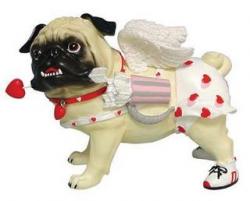
 Además, también existen unos orígenes más ‘legendarios’, que dicen que la festividad se celebra debido a que San Valentin fue ejecutado un 14 de Febrero por no querer renunciar al cristianismo, o que simplemente se celebra porque es a partir de estas fechas cuando lo pájaros empiezan a emparejarse. Además, que generalmente se relacione el día de los enamorados con Cupido (Dios pagano del amor y del sexo) demuestra claramente que la costumbre está totalmente fuera de sí, ya que, con ello, se une lo pagano y lo cristiano, precisamente lo que se quería evitar en sus orígenes.
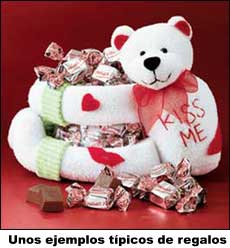
But, if the church decided to eliminate this holiday from its calendar in 1969… Why is it still celebrated? Well, because, as many think, it is the goose that lays the golden eggs, although those at El Corte Inglés were not the first to take advantage of it, since in the United States, at the end of the 19th century, Valentine’s Day cards were already sold on a massive scale, and, from the second half of the 20th century, this custom spread to the rest of the world and was expanded to all types of gifts, especially chocolates, jewelry and flowers.
| Source | Wikipedia 1 | Wikipedia 2 |
|---|