
 Estos días se esta desarrollando en San Francisco la GDC 09, la Game Developers Conference, uno de los eventos más destacados tanto para la gente del sector de los videojuegos como para los aficionados, ya que son muchas la novedades que se suelen presentar en eventos de este tipo. Aunque estoy recopilando bastante información y al término de la GDC 09 os haré un resumen con lo más destacado, quiero adelantaros algo que realmente me ha llamado la atención en estos primeros días.
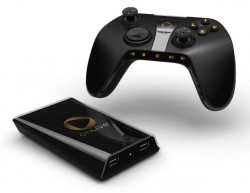
Rivers of ink are pouring into this new service that has just been presented, and the truth is that we can find ourselves with the great revolution in the world of video games or one more service, in the shadow of the marvelous Steam that will not manage to take off. This new gaming platform, called OnLive, is based on Internet streaming and has a small Terminal and a control knob, come on, the traditional pad. The only difference with the classic consoles is that we do not have the game installed in our Terminal, but rather it is on a dedicated server of the company, from which we play by sending the signals from our Terminal and receiving the game’s video signal back. This means that whether from our Macbook or from a top-of-the-range computer, the games will look the same, only the quality of the connection will matter.
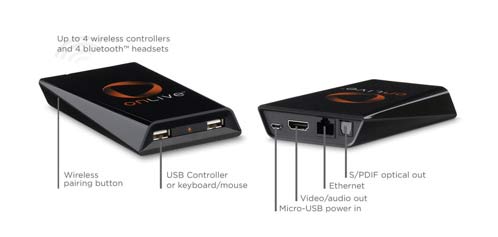
At first glance it sounds incredible, because we are not going to be the ones who have to buy the latest graphics card or more gigabytes of RAM to be able to play the new games that come out, but thinking about it coldly I see several problems.
Firstly, they say that for it to be seen in all its splendor at least 5 megabytes of connection is needed, and if the connection is less, the video quality is rescaled according to the bandwidth, which can mean that we end up watching the games as on the PSP, and secondly, the latency times can kill the service, since if there is the slightest delay between the controller and the game, the gaming experience can be horrible. There is still no talk of definitive prices but the idea is to turn it into a monthly subscription service or charge for playing time and offer free demos.
In short, a new business model that may interest fiber and cable operators, it is a good service to add to their catalog and they can ensure quality distribution.