
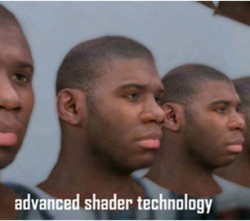
 Desde hace tiempo se lleva especulando con la nueva generación de videojuegos. Los temas a debate giran en torno a cómo será su soporte, cuál será su distribución y qué coste tendrá. No obstante, la incertidumbre de saber como serán los gráficos de la próxima hornada de consolas es la conversación estrella en todos los círculos de jugones. Ahora que la industria ya ha dado sus primeros pasos dentro del HD, es momento de pensar en texturas hiperrealistas, mayor carga poligonal y animaciones mucho más suaves y pulidas, pero lo que no hemos hecho es pararnos a pensar en si estamos siguiendo el camino correcto. Yo, que me he criado en la época de los Spectrums, Ataris y pantallas monocromo, considero que mi imaginación aplicada a los juegos ha sido, es y será más importante que un sobresaliente apartado gráfico, que le hace el trabajo sucio a nuestro cerebro.
Last summer AMD announced that it is working on the next big thing in graphics: Cinema 2.0. It is a system whose purpose is to provide games with effects more typical of movies in real time, and, from what can be seen in the videos, the leap in terms of lighting is spectacular, becoming completely impossible to differentiate a real image from a computer-generated one. Pay attention to the examples starting at minute 5:10.
On the other hand we have a company, Image Metrics, which since GTA IV has been working with facial capture in the most innovative way. No more having to carry out the process with a cumbersome layer of sensors because these people are able to capture the actors’ performance by simply recording them, and the data will automatically go to the character mesh. I do not know the method of operation of this invention, but what is obvious are the results obtained and the reduction in makeup and special equipment expenses that it represents for companies. It is clear that the combination of these two technologies, together with the increased processing of the new consoles and greater definition in terms of animations, will achieve the greatest realism ever seen on a screen in our homes.
Given what we have seen, the million dollar question is: and what is all this for? Many, including myself, are looking forward to the new graphics engines, but when push comes to shove I don’t see a Call of Duty that is extremely faithful to reality as viable, or a GTA with faces so believable that we have a hard time eliminating the characters to continue with the game. Some of you may not know it, but the foundations for this dilemma have already been laid in the past. Some time ago there was an attempt to make something similar to extreme reality: they were digitalized games that showed us real actors playing their roles so that we could interact with them. Two examples can be found in Lethal Enforcers, Mortal Kombat, The Justiceros and Star Wars: Rebel Assault. However, if we look at this collection of titles we realize that none of them presented violence with extreme veracity.
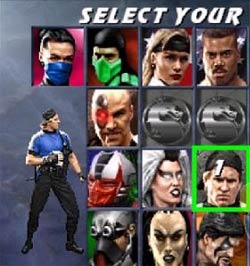 Así, en Lethal Enforcers los enemigos morían como si de una película antigua se tratara, sin sangre y con posturita artificial a la hora de caer, lejos de buscar la realidad o el impacto conseguidos con los shooters de hoy; con Mortal Kombat la sangre se llevó a la parodia, con chorretones cayendo al suelo y fatalities surrealistas, parodiando estos incómodos momentos al más puro estilo Tarantino y su Kill Bill; Los Justicieros bebía del western más inocente obviando la dureza de las obras de Sergio Leone; en Star Wars no existe tal problema puesto que está basado en la trilogía original de George Lucas que, como todos sabéis, no se caracteriza por ser polémica. Nadie osó adentrarse en el terreno de lo crudo y escatológico, probablemente porque conocían el rechazo que podrían suponer unos sprites tan realistas con un contenido tan adulto.
In my opinion, the future of video games raises a short-term debate about what we would like to play and, fundamentally, whether this technological race is reaching a stalemate where it will be necessary to look for another type of innovation. While in genres such as graphic adventures, simulators or role-playing games, realism is not a problem, in non-fantastic shooters, violent games or games with violent actions against human characters would cause a moral gap between players. I don’t see myself killing a soldier who bears a certain resemblance to someone I know, nor do I do evil when I have trouble distinguishing between the avatar and the real model. What do you think?